
To the Balkans & Beyond: When Faithful Churches Begin to Send
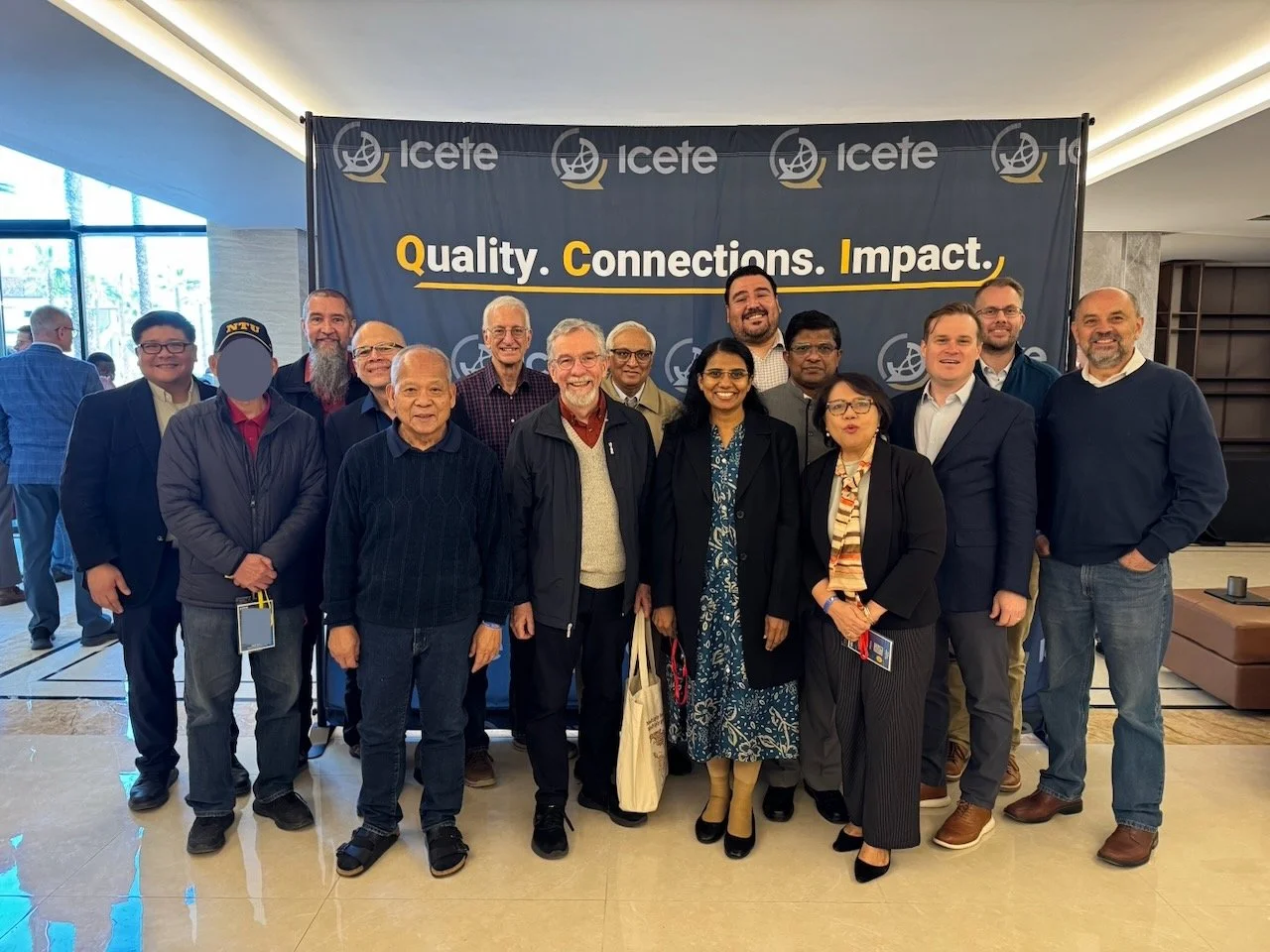
In late February and early March of 2025, I traveled to Albania for the first time. Southern Europe surprised me—its beauty, its complexity, and its quiet spiritual hunger. The primary reason for the trip was the ICETE Consultation, a triannual gathering of theological educators and pastor-trainers from around the world. ICETE intentionally calls this gathering a consultation rather than a conference, because the focus is on working together as peers, rather than learning from select keynote speakers.
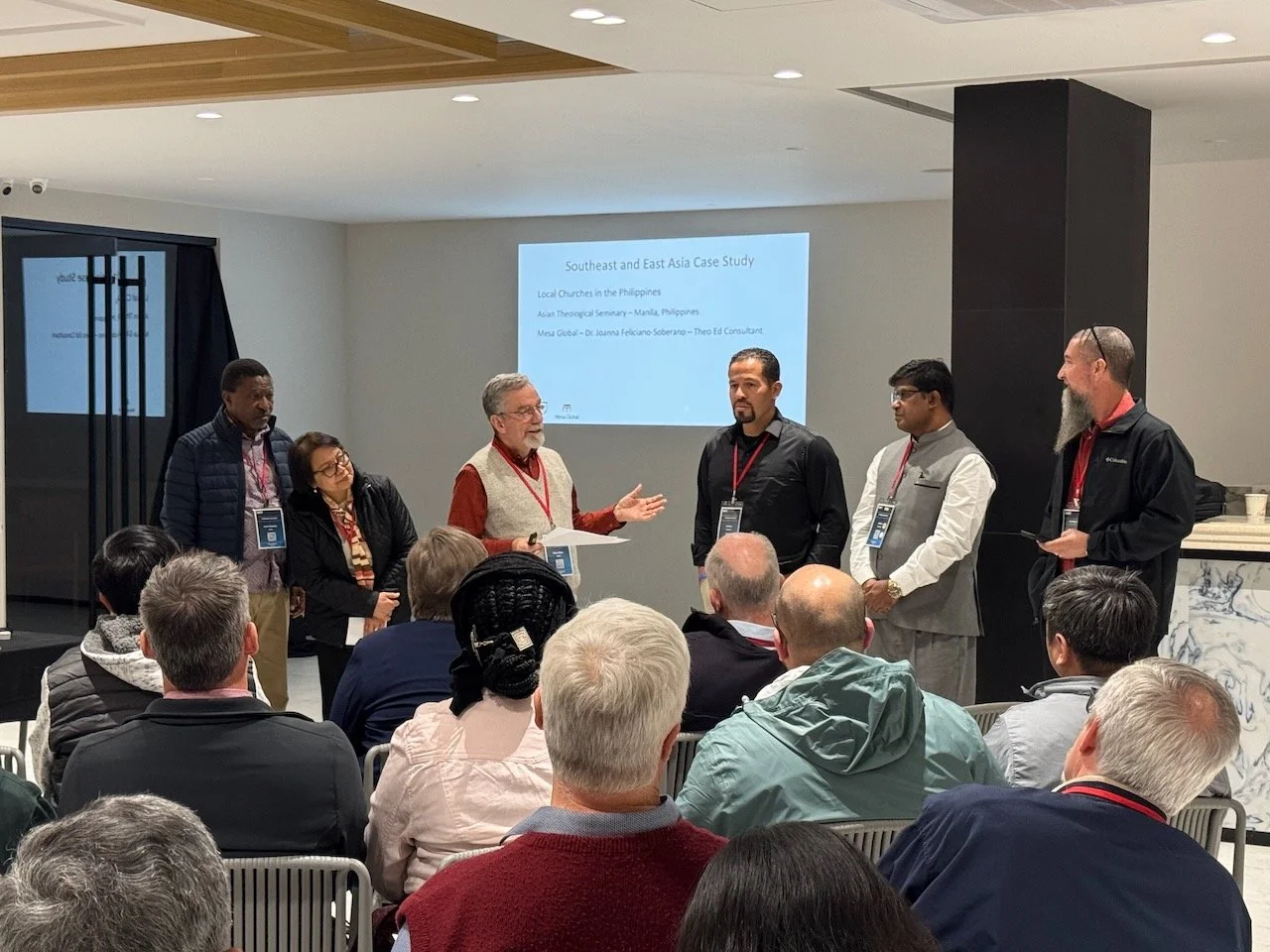
This was the same global gathering that brought us to Turkey in 2022, and once again it proved deeply formative. I had the privilege of participating in the context-rooted curriculum development working group, led by two of my long-time heroes, Rev. Dr. Ashish Chrispal and Dr. Perry Shaw. Together, we explored the kinds of questions that must be asked when developing curriculum for leaders in places as different as rural Uganda, India, and the Philippines. Rather than exporting answers, we focused on learning how to ask the right questions. During the consultation, the Mesa Global team also shared about our work with Regional Training Hubs, inviting others into collaborative partnership.
Before the consultation began, the Mesa Global training team gathered for several days of intentional time together. We slowed our pace to pray, worship, read Scripture, and give thanks for what the Lord has been doing in our lives and ministries. Several of our international colleagues led devotionals, and the time was deeply restorative. Though we come from diverse cultures and backgrounds, we intentionally commit ourselves to listening well and learning from one another—one of the great gifts of working within this team.
While in Albania, we also had the joy of meeting Landi and DeAnne Sula, a remarkable couple whose story reflects the long-term fruit of faithful gospel partnership.
Landi was among the first Albanians to come to faith after the fall of the communist regime in 1991, responding to the gospel during one of the earliest evangelistic efforts launched by Mesa Global (then UWM). Just two years later, in 1993, he helped plant the first locally-led Protestant church in Albania after decades of state-enforced atheism. In 1999, following the Balkans conflict, Landi traveled to Kosovo to serve as a missionary church planter among refugees. It was there that he met DeAnne, an American missionary, and they committed their lives to serving the gospel together.
For more than twenty years, the Sulas have preached Christ, planted churches, and persevered faithfully. After receiving theological training in the United States, they chose to return to Albania—not to build a platform, but to strengthen the local church and send missionaries outward. They joined Mesa Global specifically for partnership in that vision.
Today, Landi pastors the largest Baptist church in Albania, located in the capital city of Tirana. The church has around 250 members, elders, and three staff, and is entirely self-supported—the only church of its kind in the country. The congregation gives sacrificially, committing 15% of its budget to missions, and is actively training disciples. Already, they have sent missionaries to two countries in the region.
This is a healthy church bearing fruit!
And yet, with fruitfulness comes new questions. As this young sending church steps into a missionary vision, they are asking wise and necessary questions: How do we send money responsibly and legally? What structures ensure legitimacy and accountability? How do we recruit, train, and care for teams serving cross-culturally? What does spiritual covering look like for missionaries?
They are praying for partner churches who will walk alongside them—praying, sharing wisdom born of experience, and offering support as they navigate this new season. They are also seeking training in mobilization, team building, and cross-cultural ministry, as well as guidance from business leaders who can help design sustainable systems to support long-term sending.
This moment—when a church moves from receiving to sending—is exactly where relational partnership matters most. It’s when training becomes vitally important. It is also where the vision of Regional Training Hubs becomes tangible: churches, leaders, and institutions learning from one another, sharing wisdom, and strengthening one another for the sake of the gospel.
Standing in Albania, listening to Landi’s story, I was struck by the steadfast faithfulness of God across generations. What began as a fragile witness in the early 1990s has grown into a self-sustaining, missionary-sending church in the Balkans. This is the fruit of long obedience, shared labor, and humble partnership. This is also the fruit RTHs are trying to produce. In fact, it was the partner-centered approach of Mesa Global (then called United World Mission) and other likeminded organizations committed to plant churches and train pastors in the 1990s that planted the seed for the RTH vision 30 years later.
We left Albania deeply encouraged—and newly committed to walking alongside leaders and churches like the Sulas as God continues to build His church, not through spectacle, but through faithfulness.